The Expertise to See It. The Experience to Solve It. The Perspective That Comes From Living It.
We didn't build Lintel Health from a theory. We built it from decades inside the challenges we help solve. As clinicians. As executives. As legal advisors. As mediators. The combination is rare. The need for it is not.
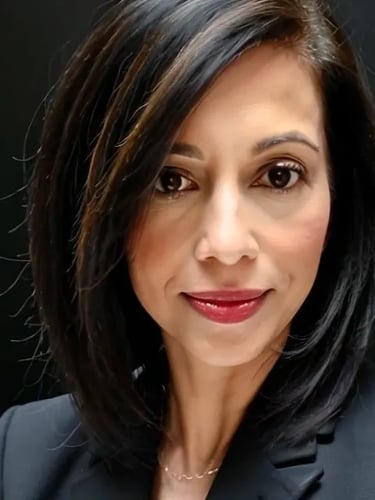
Collaborating Experts
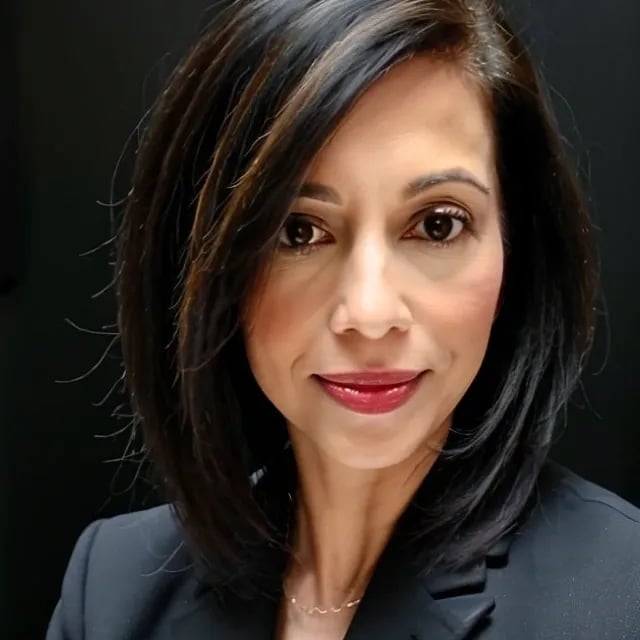
Vineeta Gupta, MD, JD, LL.M
Managing Partner
Physician. Lawyer. Mediator. Executive Leader.
R. Lee Sharma, MD, MS
Partner
Physician. Mediator. Quality Assurance Practitioner.
Dr. Gupta brings 25+ years of executive leadership across for-profit, nonprofit, public, and private sector health organizations — spanning clinical practice, global health systems, philanthropy, and public health law. She has led mission-driven organizations across the public and private sectors at the highest levels, guiding complex multi-stakeholder institutions through growth, governance challenges, and strategic transformation across 30+ countries.
As former Technical Director for Global Women's Health at ACOG, she led quality-of-care improvement, respectful maternal care, and inclusive practice training for health systems worldwide.
She served as a malpractice advisor from both the patient and provider side. She is a trained mediator with direct experience resolving high-stakes disputes across health, legal, and organizational contexts. She knows what puts practices at risk—and how to protect what matters most.
Dr. Sharma has been in private OB/GYN practice since 1997, with a Master's in Conflict Resolution and more than a decade in quality assurance — including successful mediations for physicians and hospitals and published work on conflict resolution in healthcare settings.
Through her podcast Scalpel and Sword, she has built a national conversation among physicians about conflict, negotiation, and the human cost of a system that never taught doctors how to handle either. A graduate of teachDX, she brings the same precision she applies to clinical diagnosis to the dynamics of communication and conflict.
She serves as Chief Medical Officer of PATHS and brings something most outside consultants cannot: the perspective of a physician who has sat across the table in the conversations that go wrong — and knows how to prevent them.
Physicians, attorneys, executives, and advisors who have led healthcare organizations through their hardest problems — and know what's underneath them.
For complex engagements we draw on a trusted network of experienced collaborators, bringing the precise expertise each situation requires without the overhead of a large firm.
Who We Are
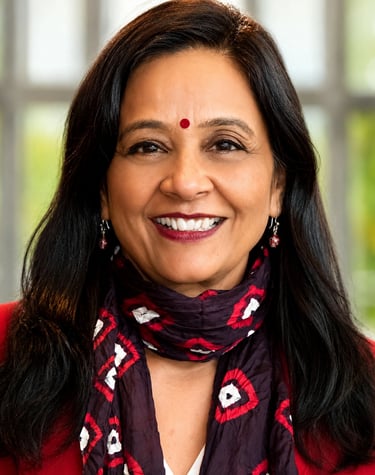
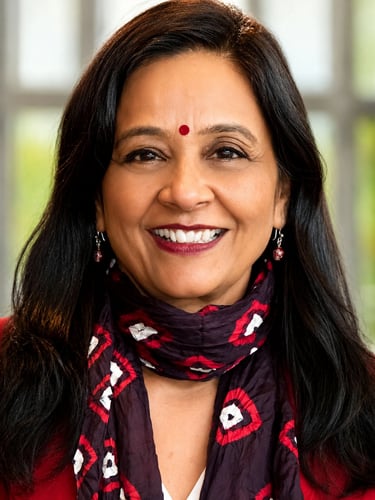
Dr. Stuart is a board certified anesthesiologist with more than 25 years of clinical experience. He is also an experienced physician executive whose roles have included leadership of a private medical group, Medical Director and Board Member of multiple surgery centers, and 3 years as the Chief Medical Officer of Washington Healthcare System in Fremont, CA (during Covid). Dr. Stuart has completed mediation training at the Center for Understanding in Conflict in Marin County, CA and studied Professionalism at the Vanderbilt Center for Patient and Professional Advocacy. He holds an MBA from The Wharton School.
Paul Natterson, MD
Co-Founder,
RxSolve Conflict
Jeff Stuart, MD, MBA
Co-Founder,
RxSolve Conflict
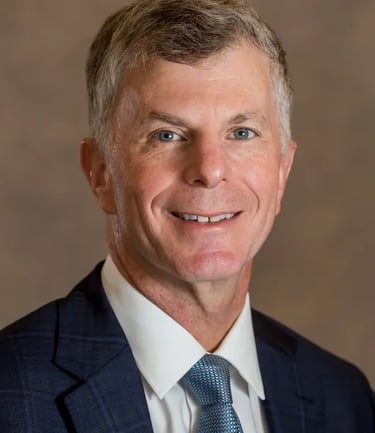
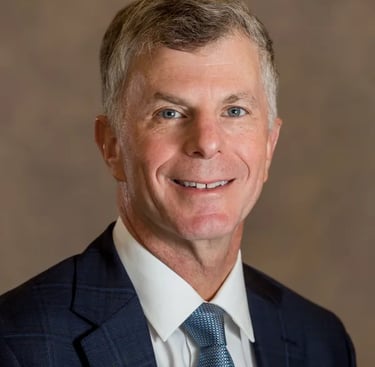
Dr. Natterson is a board certified cardiologist with more than 25 years of clinical experience in practice at Saint John's Health Center in Santa Monica CA. Past positions include hospital Medical Staff President and Vice President, hospital Chief Medical Officer, and member of the hospital Boards. He has also served as President and Medical Director of Pacific Heart Institute. His interest in conflict management and dispute resolution ultimately led to mediation training, including coursework at the Straus Institute for Dispute Resolution at the Pepperdine University. He also has undertaken coaching training from Surgeonmasters.
Why Lintel?
A lintel is the load-bearing beam above a doorway. It holds the frame so the structure doesn't collapse — and it creates the opening through which people pass.
As artificial intelligence reshapes how medicine is practiced, one thing remains irreplaceable: the human relationship between physician, team, and patient. Not the transactional interaction. The trusting one. Where patients feel heard, not processed. Where teams function without underlying suspicion or fear. Where the physician-patient relationship is a partnership, not an adversarial standoff waiting to happen.
But that future is at risk. Physician burnout is accelerating. Careers built over decades are ending prematurely — not because of bad medicine, but because of the cumulative weight of unresolved conflict, litigation anxiety, and practices that never addressed the friction underneath. Medicine is becoming less attractive to the next generation precisely because the human cost of practicing it has become too high.
Lintel Health exists to change that — by building the communication strength, trust, and relational infrastructure that makes medicine sustainable. For physicians. For teams. For patients.
That is the future of care. And it has to be built deliberately, from the inside out.
Physician-led risk & communication consultancy.
Confidential Assessment & Services
Available for national engagements
© 2026 Lintel Health - All Rights Reserved.